
Clinic Proposals
Accepted May 1-June 1
The TMEA Clinic/Convention hosts hundreds of clinics on a wide variety of topics for current and future PreK–College music educators in every discipline. Share your innovative teaching methods and transformative strategies with a community of thousands of educators and students eager to learn and grow.
Proposals are accepted online May 1-June 1.
Clinic Purpose
TMEA hosts a diverse program of clinics to foster each attendee’s professional advancement and their support of all students through music education. Clinics are expected to further TMEA’s commitment to music education for all: every student at every level deserves a well-balanced education that includes a comprehensive, high-quality, sequential program of music taught by teachers who are certified in music education.
Clinic Schedule
The convention features about 300 one-hour clinics. While most proposals are for clinics presented Thursday–Saturday of the convention, technology proposals are also considered for inclusion in the separate Wednesday technology preconference. Technology presenters must be available to present Wednesday–Saturday.
Present a Clinic
Your proposal should include thorough details about what attendees will learn during your clinic and its practical application in their music education work or study. Review the information on this page to help you prepare an effective proposal, and then enter your clinic details online by June 1.
Clinic Selection Factors
Proposal review committee members and the Executive Board consider these factors when evaluating proposals and selecting clinics.
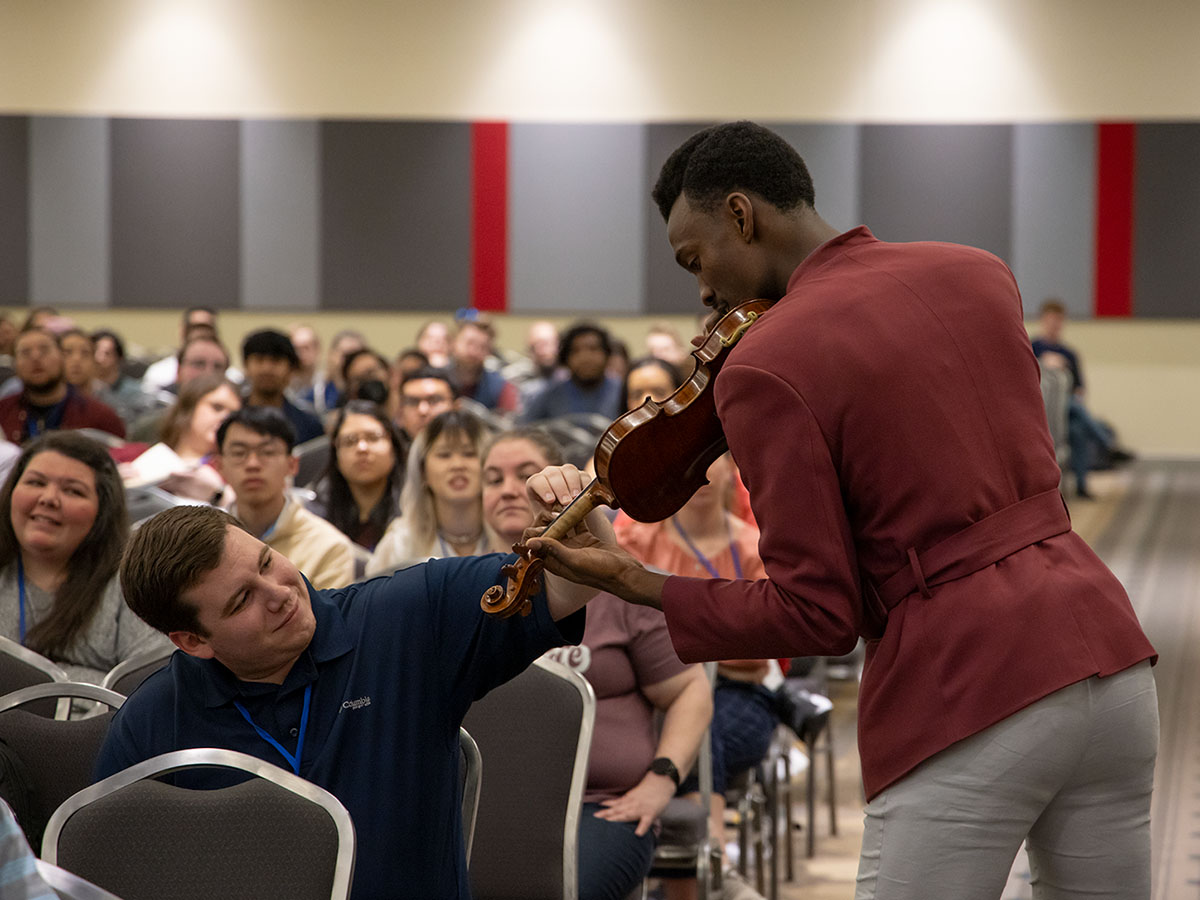
Pedagogical Merit
We seek proposals demonstrating sound teaching strategies, innovative pedagogical approaches, and effective methods for engaging students in music learning. Proposals should be grounded in educational theory and practice, offering insights that can elevate music education standards.
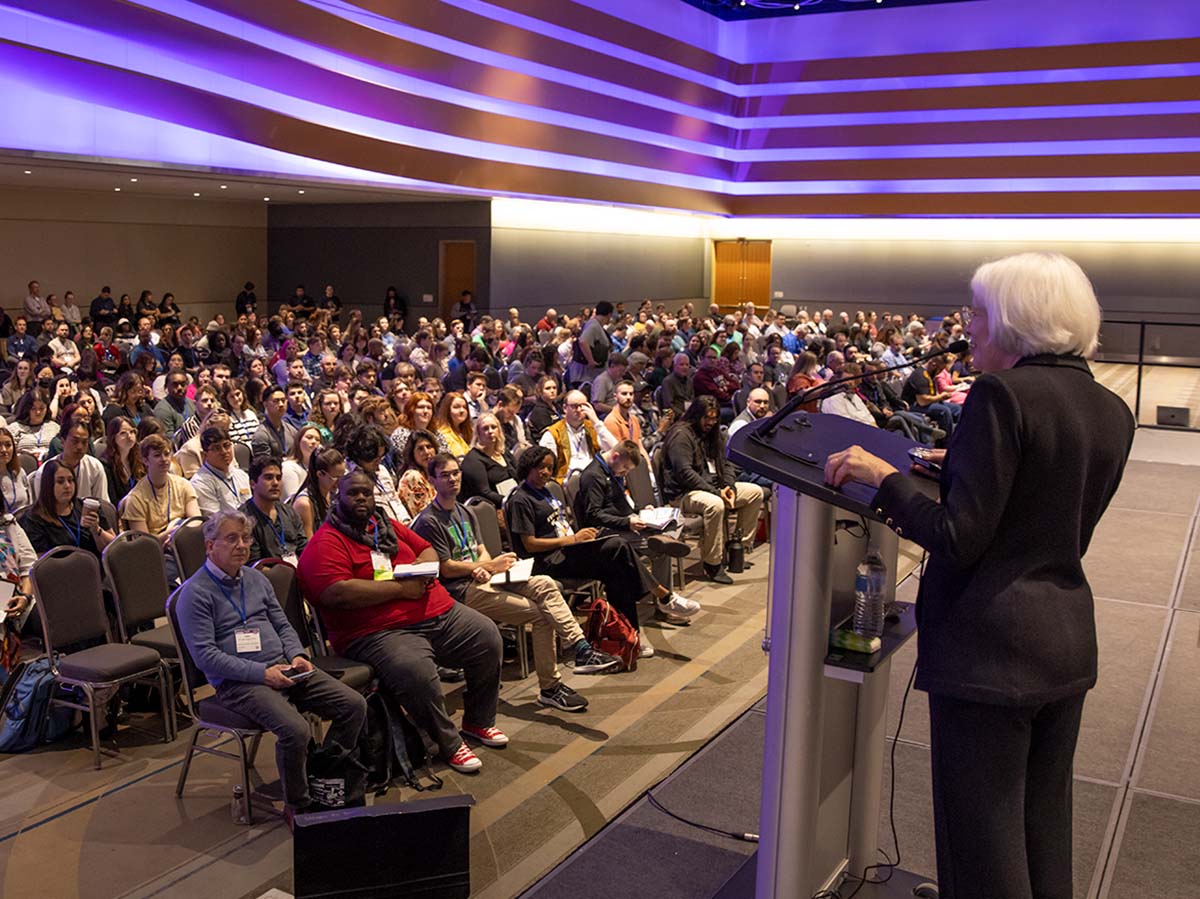
Applicability & Value
Clinics should offer practical and relevant information that attendees can apply in their music education environments. Proposals should contribute positively to the professional development of our members and the music education community. Note: Proposals focused on marching band will not be accepted. Consider submitting your marching band clinic proposal to the Texas Bandmasters Convention.
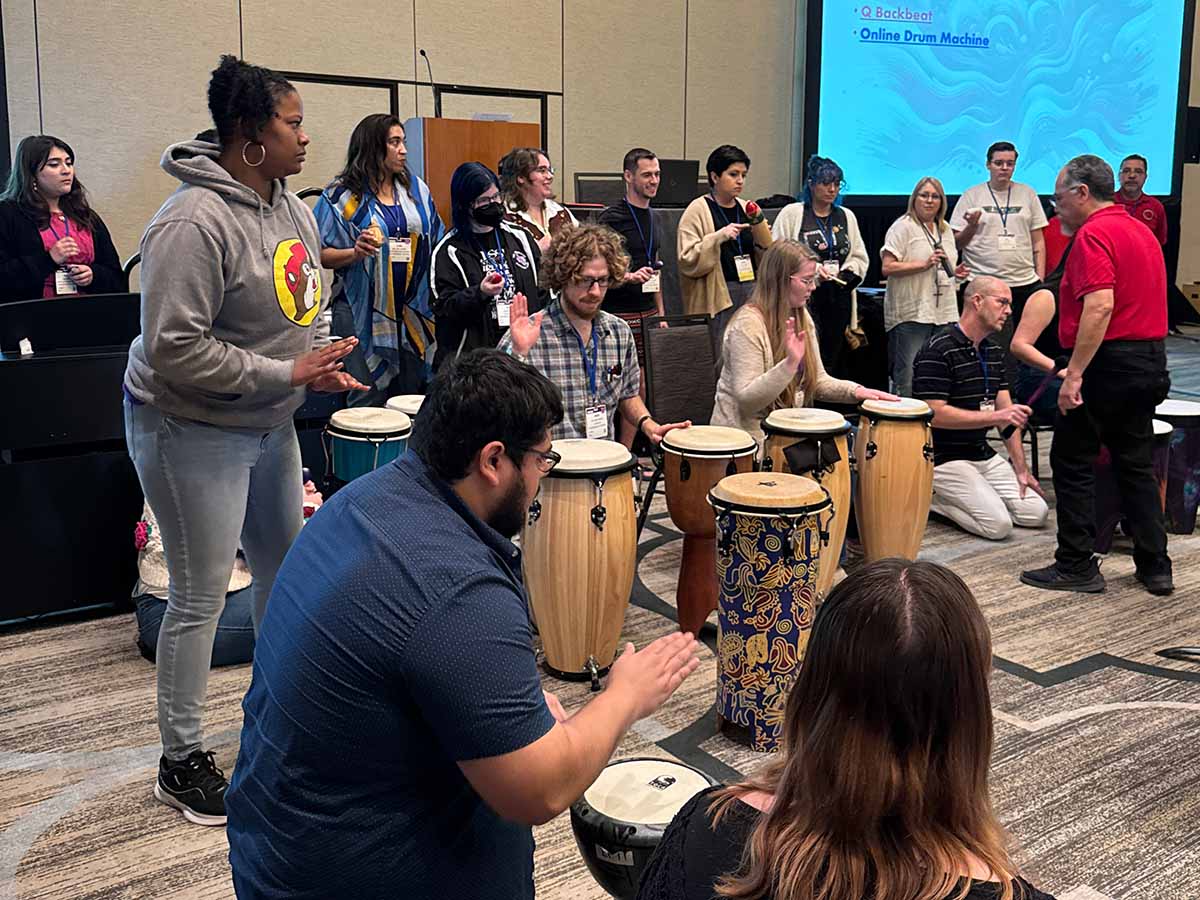
Commitment to Music Education for All
Clinics should support TMEA’s commitment that all students at every level deserve a well-balanced education that includes a comprehensive, high-quality, sequential program of music that explores the music and traditions of a wide variety of cultures, musical styles, forms, and genres. All aspects of our annual event will further TMEA’s commitment to music education for all.
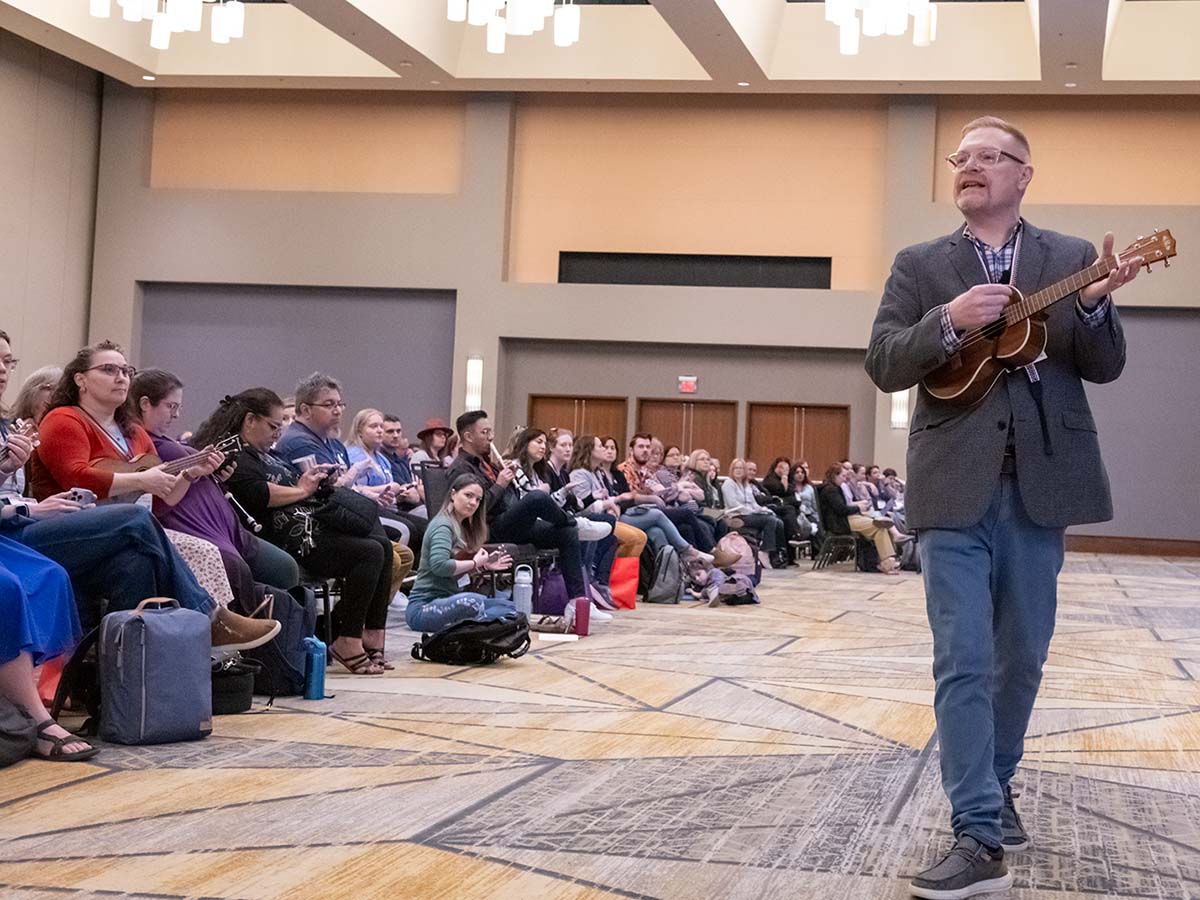
Commercial Content
Clinics dominated by product promotion are less likely to be accepted. While it’s understood that certain products or services may be integral to your presentation, mention of products must serve a clear educational purpose supporting the clinic’s learning objectives.
High Priority Clinic Topics
Attendees identified the following as their highest-priority topics, listed in priority order for each division.
Overall
- Rehearsal techniques
- Teaching methods
- Instrument methods
- Repertoire selection
- Classroom management
- Recruiting & retention
- Title I/low-income programs
- Conducting techniques
- Technology integration
- Mental health & wellness
Band
- Instrument methods
- Rehearsal techniques
- Recruiting & retention
- Teaching methods
- Repertoire selection
- Title I/low-income programs
- Classroom management
- Rural/small school strategies
- Mental health & wellness
- Advocacy/community support
Orchestra
- Rehearsal techniques
- Instrument methods
- Repertoire selection
- Conducting techniques
- Recruiting & retention
- Teaching methods
- Technology integration
- Music theory
- Classroom management
- Composing/arranging
Vocal
- Rehearsal techniques
- Repertoire selection
- Teaching methods
- Recruiting & retention
- Conducting techniques
- Classroom management
- Title I/low-income programs
- Music theory
- Mental health & wellness
- Assessment
Elementary
- Teaching methods
- Classroom management
- Special-needs instruction
- Title I/low-income programs
- Technology integration
- Rehearsal techniques
- Assessment
- Mental health & wellness
- Repertoire selection
- Funding/grant writing
College Faculty
- Teaching methods
- Research methods & results
- Rehearsal techniques
- Private lesson strategies
- Technology integration
- Recruitment & retention
- Instrument methods
- Funding/grant writing
- Repertoire selection
- Legal & legislative issues
College Students
- Rehearsal techniques
- Classroom management
- Repertoire selection
- Music theory
- Conducting techniques
- Teaching methods
- Private lesson strategies
- Instrument methods
- Mental health & wellness
- Composing/arranging
Proposal Policies
Review the following proposal inclusions, required agreements, and membership & registration policies.
For Each Clinic
- Meaningful title that directly conveys the presentation content
- Concise description of the presentation content
- Details on the clinic learning objectives and how the objectives will be presented to the attendees
For All Presenters
- All co-presenters must be submitted on the proposal—they may not be added later
- Each TMEA Member: TMEA ID and cell phone number
- Each Non-TMEA member: name, school/company, email, and cell phone number
- Each clinician’s credentials and experience that qualify them as an authority on the session topic and the details that will be presented
- Short biographical statement for each clinician (the spoken introduction, so keep it brief)
Demonstration Groups & Sponsored Clinics
- Must be included on the original proposal—they may not be added later
- For demonstration groups, group name, director contact information, and number of participants
- For sponsored clinics, the sponsoring industry name and contact information
Our Convention Pledge
TMEA is committed to providing a positive experience for all convention attendees. We expect every participant and presenter to adhere to our association’s commitment to offering a respectful convention environment that invites participation from all, regardless of gender, race, ethnicity, national origin, age, sexual orientation or identity, education, disability, or other unique characteristics. Participants should report any behavior inconsistent with the principles outlined here, to TMEA staff.
Scheduling Agreement
All clinicians must be available to present their one-hour clinic on Thursday, Friday, or Saturday of the convention. Clinicians of Technology proposals must also be available to present on Wednesday. These proposals are also considered for inclusion in the separate Wednesday technology preconference.
Audio/Video Recording Agreement
TMEA will record the audio portion of all sessions and may record videos of selected sessions. TMEA may use these recordings in various formats, including but not limited to promotional materials and digital content shared via TMEA’s social media platforms and website. TMEA will make the recordings available to convention registrants who choose to purchase this service. By submitting a proposal, you agree to allow TMEA to record the session and use the recordings for these purposes.
TMEA Clinic/Convention Media Release
By attending the Texas Music Educators Association (TMEA) Clinic/Convention, you consent to being photographed, filmed, and/or recorded. These materials may be used by TMEA for promotional or informational purposes, across various media including web and social media. Your presence implies a waiver of any rights to payment, inspection, or approval of these uses, and releases TMEA and its representatives from any related liability.
In-State and Out-of-State Membership & Registration Requirements
- Texas music educators/musicians/fine arts directors must be current members of TMEA and pay convention registration fees
- Out-of-state educators/musicians must pay convention registration fees but, are not required to become TMEA members or, if industry sponsored must get their convention badge through their sponsoring exhibitor (not for Texas music educators/musicians)
The following are provided convention badges and are not required to register:
- Students (any level) in a clinic demonstration or Program Spotlight group
- Students (any level) performing in an Invited Ensemble concert
- K–12 students performing in Music Showcases
Timeline & Clinician Action Items
May 1–June 1
Clinic proposals are accepted via the TMEA website
August 15
Proposal status is emailed to submitter and primary clinician
September 1
Clinicians must verify acceptance by responding to the invitation via email
Early October
Schedule information will be available by the first week in October
January 4
Deadline to submit an electronic copy of session materials and visual aids
Internet Access Alert
TMEA does not provide Internet access. Download all relevant materials to your computer and present from there exclusively. TMEA cannot guarantee the convention center’s WiFi reliability or speed.
Equipment Provided by TMEA
Two microphones will be provided, at least one of which will be wireless, an LCD projector and screen (HDMI connection), and a mini-plug connection to a sound system (plugs into the headphone port on your device). An electronic piano keyboard is available only by request.
Handouts & Visual Aids
Clinicians must submit an electronic copy of all session materials and visual aids to TMEA by January 5. You are responsible printing and bringing physical versions of your handouts if you so choose.
What to Bring
Bring adapters to connect to our equipment and all other items needed for the session, a laptop computer for playing audio files, video files, and using white-board/Power Point programs.
Need Help?
If you have comments/questions/issues with the technical portion of the submission process, please email the TMEA Deputy Director
Music Education for All
All students at every level deserve a well-balanced education that includes a comprehensive, high-quality, sequential program of music taught by teachers who are certified in music education. All students should have this access and place of belonging regardless of gender, race, ethnicity, national origin, age, sexual orientation or identity, education, disability, economic status, religious background, or other unique characteristics. Through their music education, students at every level, should explore the music and traditions of a wide variety of cultures, musical styles, forms, and genres.